
Optimal Timing for Asphalt Services
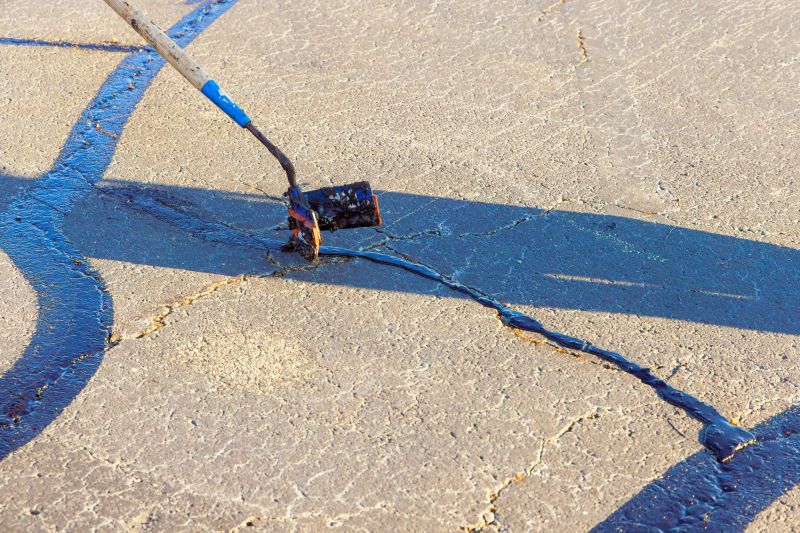
Warm temperatures facilitate proper asphalt curing and sealing, making summer ideal for repairs and overlays.
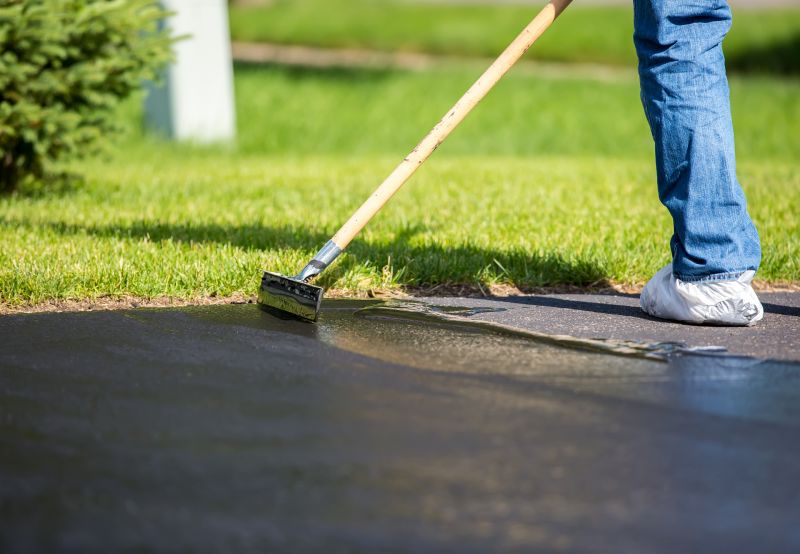
Mild weather and lower humidity levels support durable asphalt work, reducing the risk of damage from temperature fluctuations.
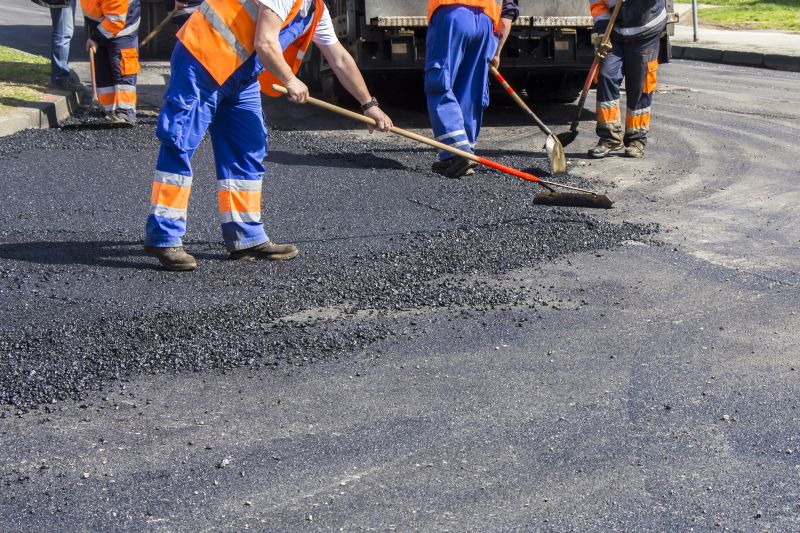
Spring offers moderate temperatures suitable for sealing and patching before the peak heat of summer.
Ways to make Asphalt Service work in tight or awkward layouts.

Popular materials for Asphalt Service and why they hold up over time.
Simple add-ons that improve Asphalt Service without blowing the budget.
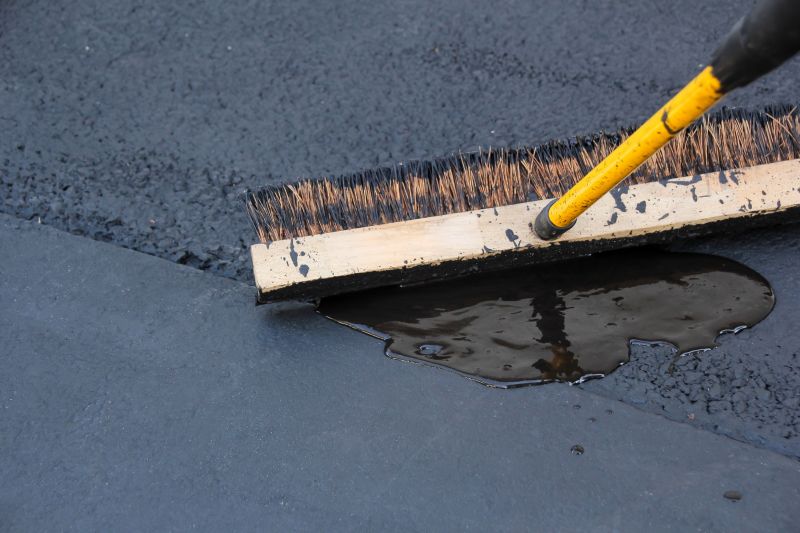
High-end options that actually feel worth it for Asphalt Service.
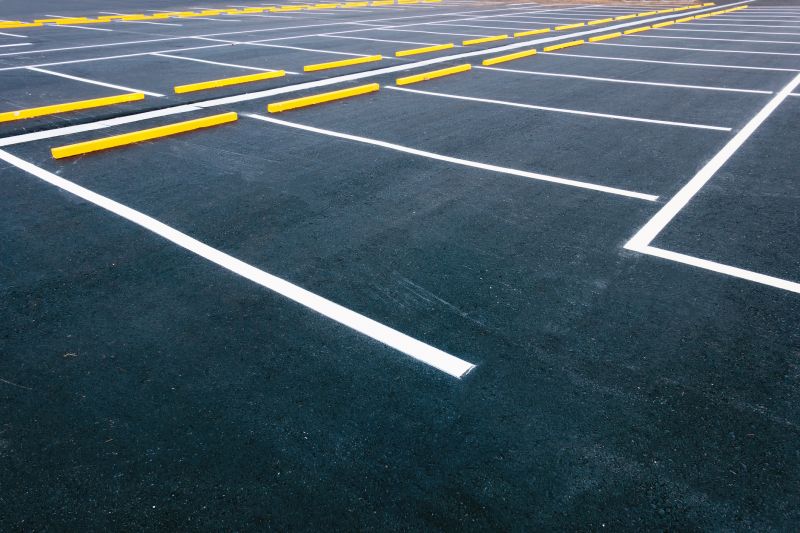
Finishes and colors that play nicely with Asphalt Service.
Proper timing of asphalt service ensures longevity and optimal performance of paved surfaces. Temperature and weather conditions significantly impact the quality of asphalt work. Asphalt is most flexible and adheres best when temperatures are between 50 and 85 degrees Fahrenheit. During this range, asphalt compacts effectively, reducing future cracking and potholes. Extreme cold causes asphalt to become brittle, increasing the risk of cracks, while excessive heat can cause it to soften and deform.
Statistics indicate that asphalt maintenance performed during favorable weather conditions extends pavement life by up to 50%. Scheduling projects in spring, summer, or fall, when temperatures are moderate, results in better compaction and bonding. Avoiding winter months minimizes issues related to freezing and thawing cycles that can undermine asphalt integrity.
Asphalt should be installed or repaired when ambient temperatures are between 50 and 85 degrees Fahrenheit for best results.
Dry, sunny days are preferable to ensure proper curing and bonding of asphalt surfaces.
Scheduling asphalt work outside of winter minimizes issues caused by moisture and temperature fluctuations.
Timely asphalt maintenance during suitable seasons enhances durability and reduces future repair costs.
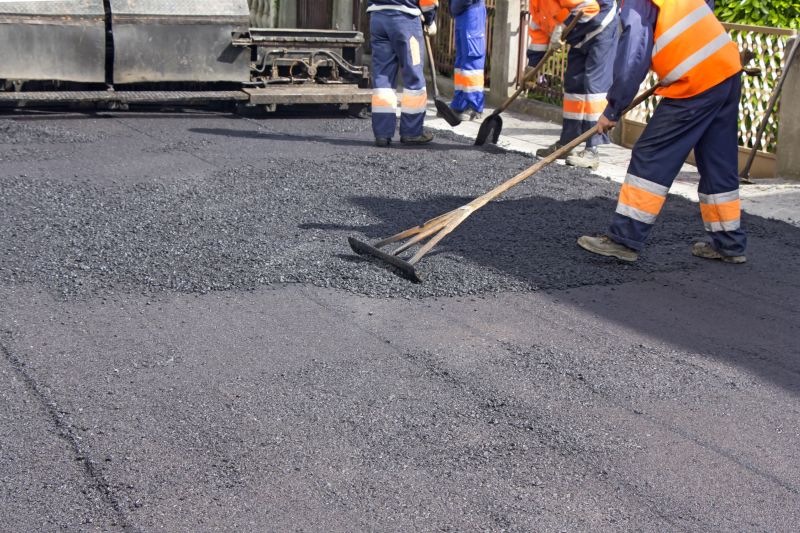
Warm weather allows for optimal asphalt placement and curing.
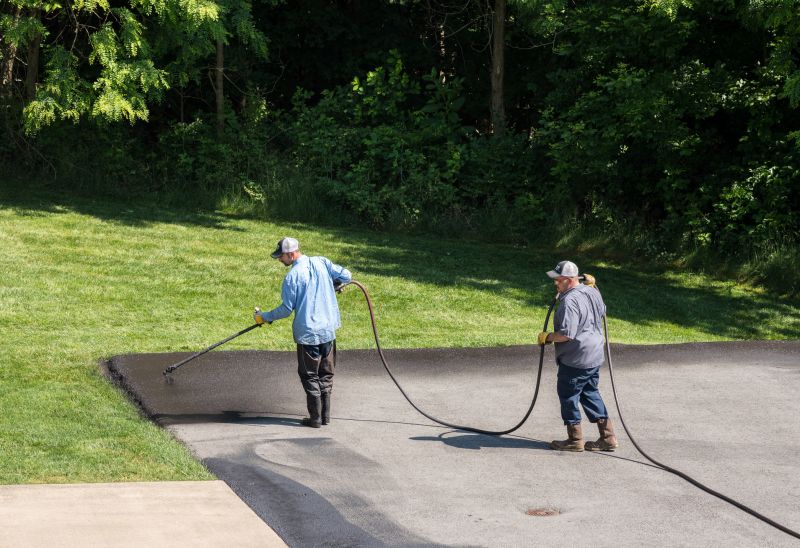
Spring is suitable for sealing asphalt to protect against moisture and UV damage.
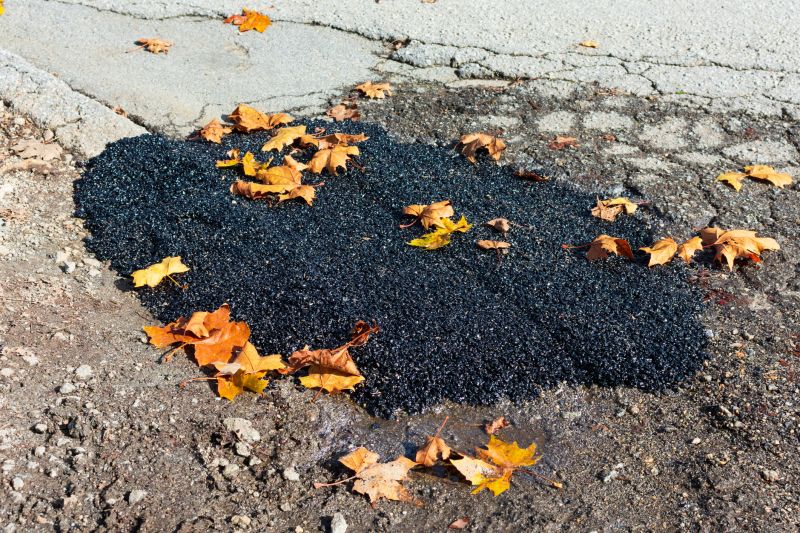
Fall offers ideal conditions for repairs and surface treatments.
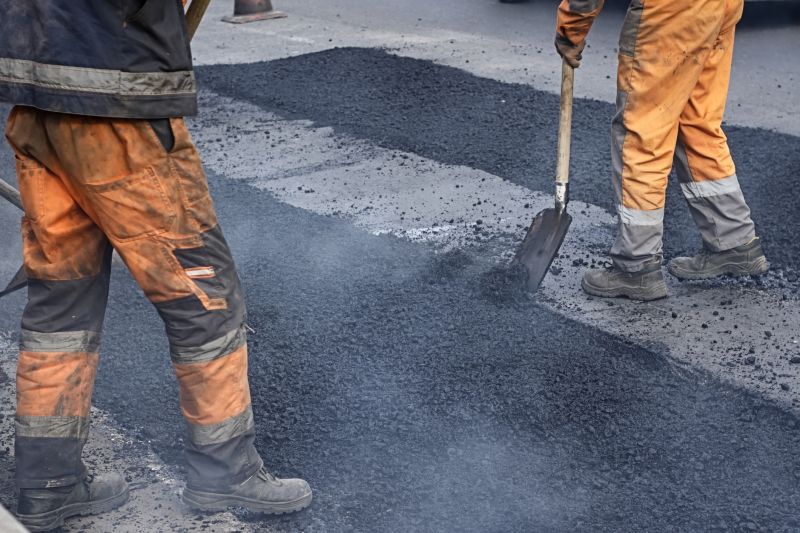
Monitoring weather forecasts ensures asphalt work occurs under suitable conditions.
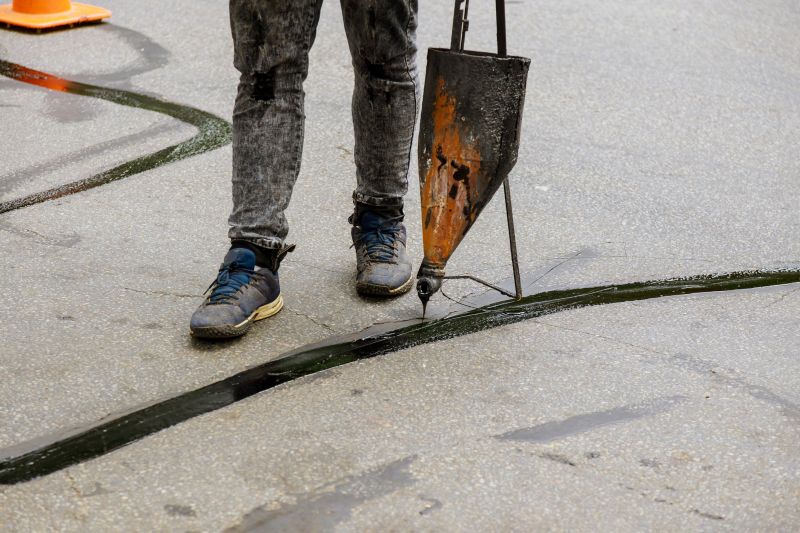
Maintenance schedules align with seasonal weather patterns for best results.
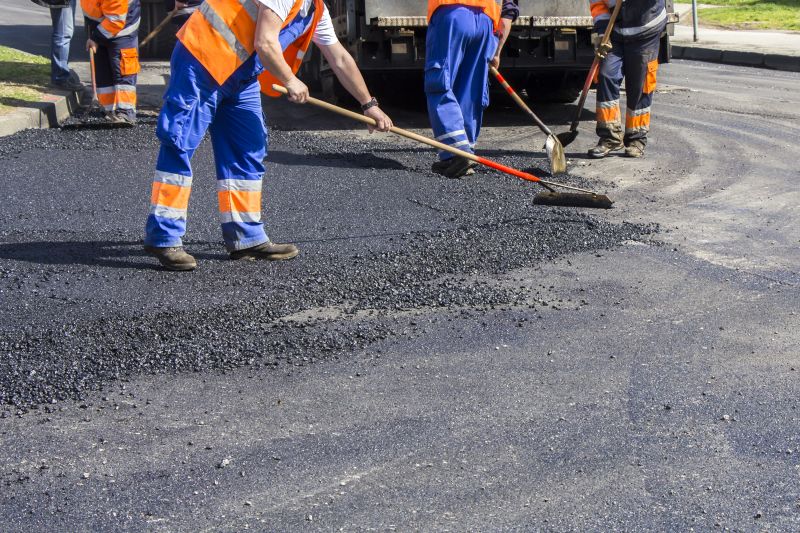
Providence's climate influences optimal scheduling for asphalt projects.
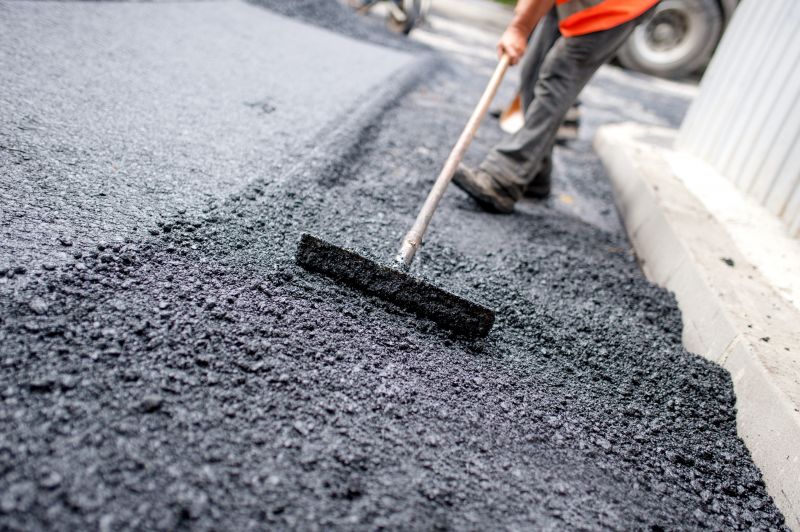
Flexibility in scheduling reduces the risk of weather-related issues.
Planning around forecasted weather prevents project delays and subpar results.
| Season | Recommended Activities |
|---|---|
| Spring | Sealcoating, crack filling, surface repairs |
| Summer | Paving, overlays, sealing |
| Fall | Surface repairs, sealing, preparation for winter |
| Winter | Limited to no asphalt work due to cold and moisture |
Choosing the right time for asphalt service can significantly influence the durability and appearance of paved surfaces. Proper scheduling during favorable weather conditions reduces the likelihood of future repairs and extends the lifespan of the asphalt. Regular maintenance aligned with seasonal patterns ensures surfaces remain functional and visually appealing.
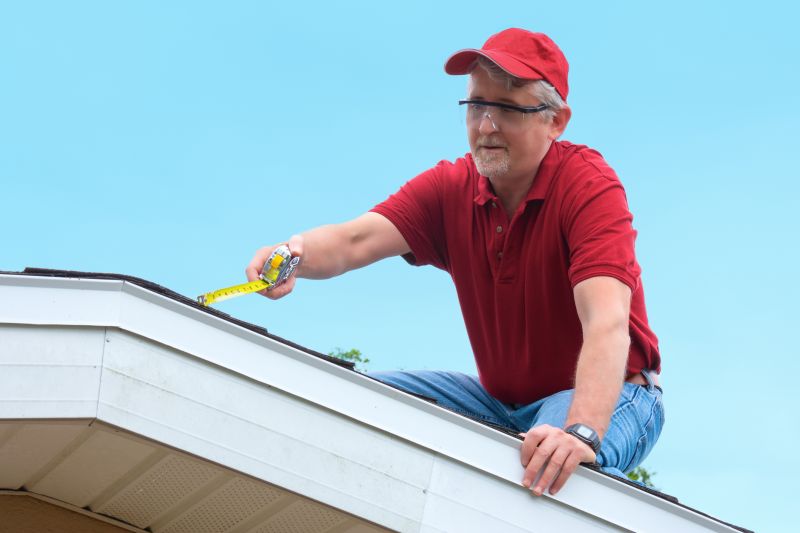
Optimal for quick and effective repairs due to warm weather.
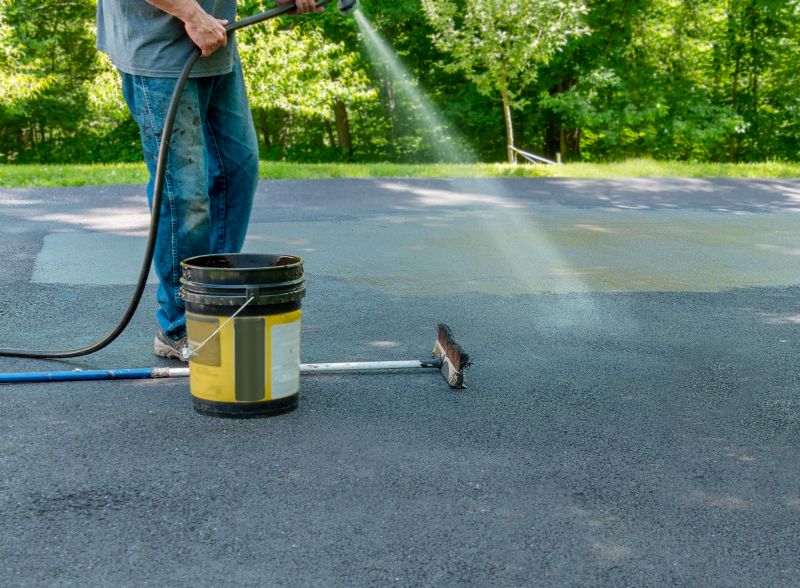
Prepares surfaces for the upcoming hot months.
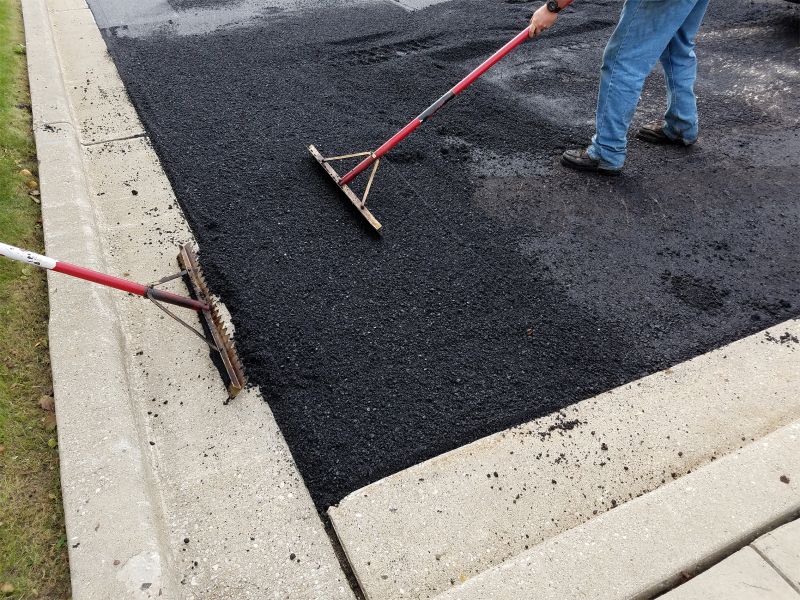
Protects asphalt before winter conditions set in.
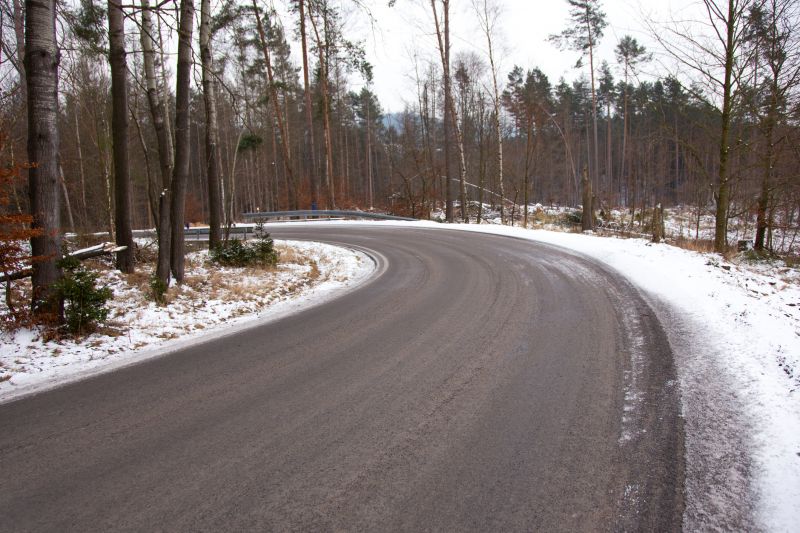
Limited asphalt work due to low temperatures and moisture.
A 60-second routine that keeps Asphalt Service looking new.
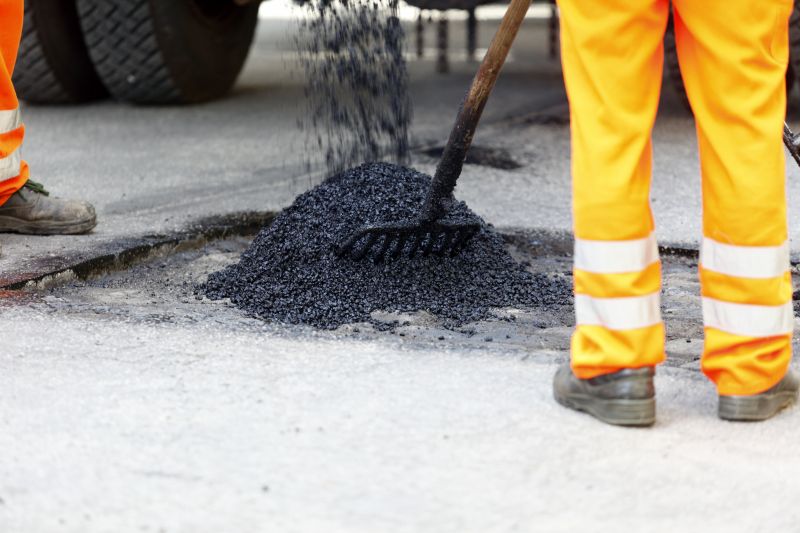
A frequent mistake in Asphalt Service and how to dodge it.
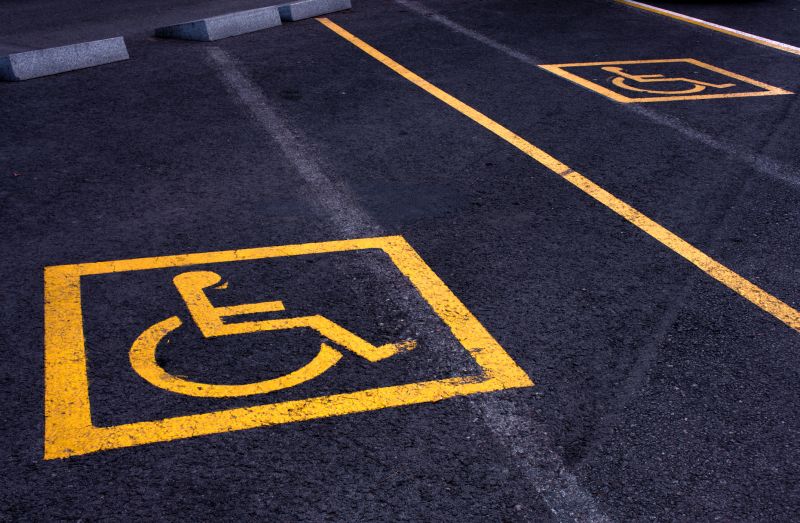
Small tweaks to make Asphalt Service safer and easier to use.

Lower-waste or water-saving choices for Asphalt Service.
Interested parties are encouraged to contact for asphalt service inquiries. Proper timing and seasonal planning ensure the best results for pavement longevity and performance. Consulting with professionals during optimal weather windows can lead to more durable and cost-effective outcomes.